Common Musculoskeletal Conditions Treated
Pain is rarely just one thing. We take a multi-domain approach that combines ultrasound-guided injections with smart rehab, nutrition, and medication support when indicated. When needed, we arrange private imaging for faster answers and coordinate care with your other providers. We offer a variety of targeted injection therapies that can help support your healing journey.
-
Osteoarthritis is a common reason for joint pain and loss of function. Our goal is to calm irritation, improve glide, and support the tissues that stabilize the joint.
How we help
Targeted injections to reduce pain and improve movement.
Options include PRP, hyaluronic acid gels like Durolane, and corticosteroids when appropriate.
Strength, mobility, and pacing strategies that fit your life.
Weight, sleep, and nutrition support to lower joint load.
Imaging referrals when needed to guide decisions.
-
Facet joints can become inflamed with degenerative change or overload and may refer pain locally or into the limbs.
How we help
Ultrasound-guided spinal interventions for cervical, thoracic, and lumbar regions
Facet injections using PRP, prolotherapy, or corticosteroids based on goals and timing
Targeted trigger point care to calm protective muscle guarding
Deep nerve hydrodissections and blocks near painful joints
Mobility and strengthening plan to unload painful segments and improve endurance
Joint Mobilizations (Adjustments) when indicated
-
Sprains and laxity in ligaments such as the MCL, LCL, ACL, PCL, and ATFL can leave a joint unstable and sensitive. Some people are more prone to these injuries, including those with generalized hypermobility or Ehlers-Danlos syndrome (EDS). In these cases, care focuses on improving stability while protecting tissues that are slower to stiffen and heal.
How we help
Ultrasound assessment to map exactly where the injury sits and identify contributing laxity.
Regenerative options like PRP or dextrose-based prolotherapy to support collagen repair and reinforce ligament integrity.
Hyaluronic acid gels when joint mechanics need extra glide during recovery.
Progressive stability programs, bracing guidance, and load management tailored for hypermobility and EDS.
-
Cartilage and meniscal injuries limit load tolerance and can cause locking, catching, or swelling. We focus on pain control, joint mechanics, and a plan that protects the area while you stay active.
How we help
Ultrasound-guided injections to reduce irritation and improve function.
PRP for tissue support when appropriate.
Hyaluronic acid gels to enhance lubrication.
Strength and mobility programs to offload sensitive structures.
Private imaging referrals to clarify complex cases.
-
Adhesive capsulitis can be frustrating and slow to resolve. We aim to regain range, reduce night pain, and keep you functional while the shoulder recovers.
How we help
Ultrasound-guided hydrodistention using 5 percent dextrose with local anesthetic when appropriate.
Low dose or standard corticosteroid options when indicated.
Phased mobility work that respects pain limits and protects sleep.
Clear home plans so progress continues between visits.
-
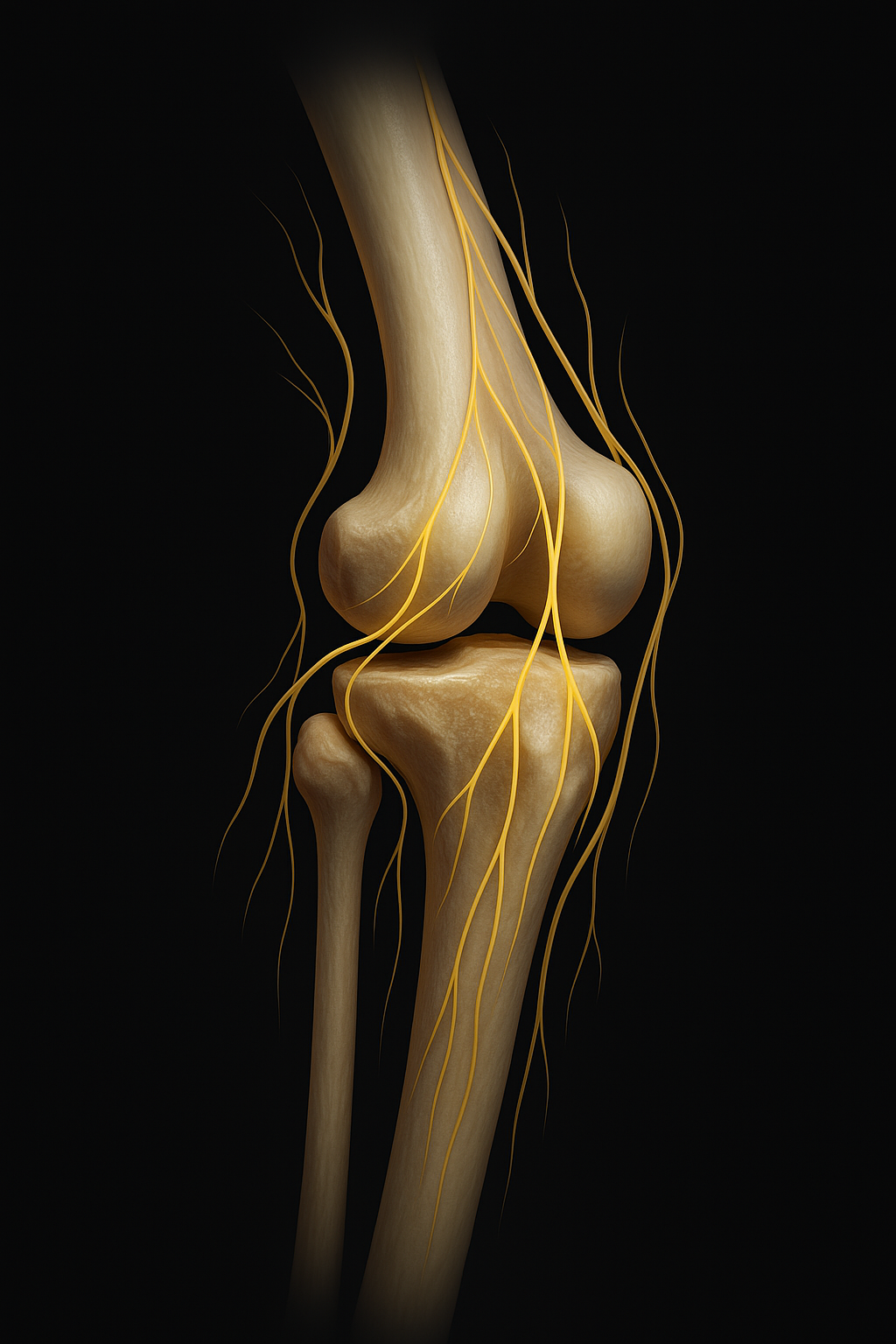
Long-standing pain rewires the nervous system. Care must address both tissues and the pain pathways that keep them sensitive.
How we help
A layered plan that can include perineural therapy, regional blocks, and PRP when suitable.
Techniques that down-regulate sensitivity such as superficial cervical plexus blocks and Procaine IVs when indicated.
Medication review and coordination with your other clinicians.
Sleep, nutrition, and pacing strategies to support the nervous system during recovery.
-
Irritated discs and compressed nerve roots can create sharp back pain with radiation into an arm or leg. Our goal is to calm nerve inflammation, reduce mechanical irritation, and support the tissues around the spine.
How we help
Ultrasound assessment to map painful segments and myofascial contributors
Caudal epidural injections to bathe irritated nerve roots and the epidural space
Perineural therapy to nearby nerves to reduce sensitivity and improve glide
Trigger point injections for paraspinal and hip stabilizer muscle spasm
Corticosteroid, PRP, or dextrose-based options selected to match your presentation
Home programming for nerve mobility, pacing, and graded return to activity
-
SI joint pain often shows up as deep buttock pain with standing, walking, or transitional movements. Stability and precise targeting are key.
How we help
Ultrasound-guided SI joint injections for accurate intra-articular care
Prolotherapy, PRP, & corticosteroids to reduce SI joint pain
Pelvic stabilization plan including bracing guidance when appropriate
Trigger Point Injections to nearby paraspinal muscles that compensate for SI joint instability
-
Overuse at the tendon attachments around the elbow can lead to pain with gripping, lifting, or forearm rotation. Our approach reduces pain, restores tendon health, and gets you back to work and sport.
How we help
Ultrasound assessment to confirm the site and depth of tendon change
SportVis hyaluronic acid for lateral epicondylalgia or acute soft-tissue injury when appropriate
PRP for tendon remodeling and long-term healing
Prolotherapy to reinforce painful tendon and ligament insertions
Perineural therapy to calm irritated sensory nerves around the elbow
Graded loading and ergonomic coaching to prevent recurrence
-
Piriformis syndrome can cause deep buttock pain, tightness, and sciatic-type symptoms when the piriformis muscle irritates nearby tissues or the sciatic nerve.
How we help
Ultrasound-guided piriformis injections, including corticosteroid when appropriate.
Regional nerve blocks when nerve irritation is contributing to symptoms.
Trigger point treatment for the piriformis and surrounding gluteal muscles.
Home stretching, mobility, and myofascial release techniques to reduce tension and improve moveme
-
Jaw pain, clicking, headaches, and ear pressure often stem from joint irritation plus overactive chewing muscles. We target both the joint and surrounding tissues for durable relief.
How we help
Ultrasound-guided injections to the TMJ when indicated using PRP or prolotherapy
Trigger point injections to masseter and temporalis to release guarded muscle
Targeted nerve blocks and perineural therapy when nerve sensitization is present
Bite and posture strategies, jaw mobility drills, and stress-sleep support
Collaboration with dental providers for night guards or bite assessment when needed
-
Irritation of the greater or lesser occipital nerves can trigger headaches and neck pain that are stubborn and activity limiting.
How we help
Ultrasound-guided occipital nerve blocks to reduce pain and sensitivity
Nerve hydrodissection to free the nerve from tight tissue planes
Evidence-informed nutrients and medication options including modern headache therapies such as CGRP-directed agents when appropriate
Posture and cervical stability strategies to reduce future flares
-
Calcium deposits within a tendon can drive sharp pain and restricted movement, most often around the shoulder.
How we help
Ultrasound confirmation of deposit size and location
Percutaneous tenotomy with barbotage to break up and evacuate calcific material
A small dose corticosteroid option for post-procedure inflammation when indicated
Progressive loading plan to restore tendon strength and range of motion
Referrals to physical therapy when indicated
-
Irritated or trapped nerves cause burning, tingling, and strength loss. Finding the exact point of irritation changes the outcome.
How we help
High-resolution ultrasound to visualize nerve glide and surrounding tissues.
Perineural therapy and regional nerve blocks to calm the nerve and restore motion.
Hydrodissection to free a nerve from sticky tissue planes when appropriate.
Ergonomic and movement strategies that stop the cycle from returning.
-
Overloaded bursae create sharp, positional pain around the shoulder, hip, knee, or elbow. Treating the bursa helps, but lasting relief comes from fixing the load problem.
How we help
Ultrasound confirmation of the inflamed bursa.
Image-guided corticosteroid, PRP, or dextrose injections when indicated.
Tendon and muscle care to address the reason the bursa flared.
Exercise recomendations that reduce friction and recurrence.
Targeted Injection Therapies
Ultrasound guidance for accuracy, comfort, and results.
-
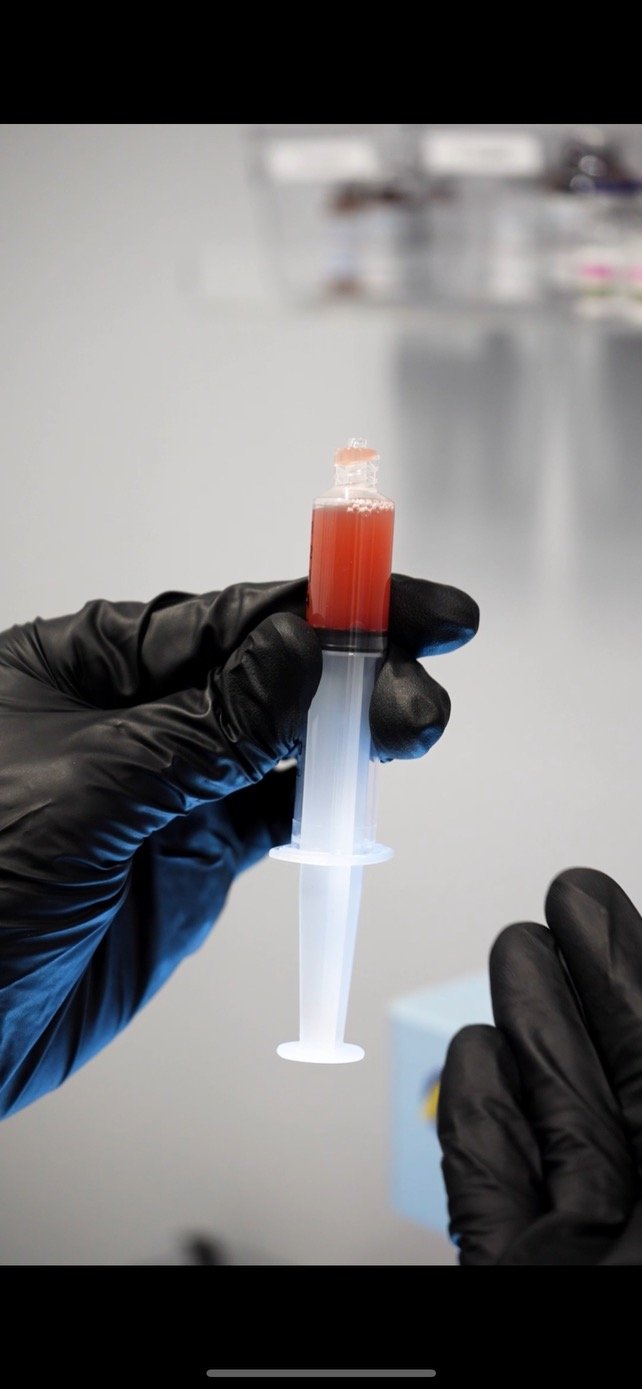
![A healthcare professional wearing gloves holding two blood collection tubes, one with red blood and the other with orange fluid, over a laboratory analyzer display.]()
PRP
Uses your own platelets to support healing of joints and tendons.
-
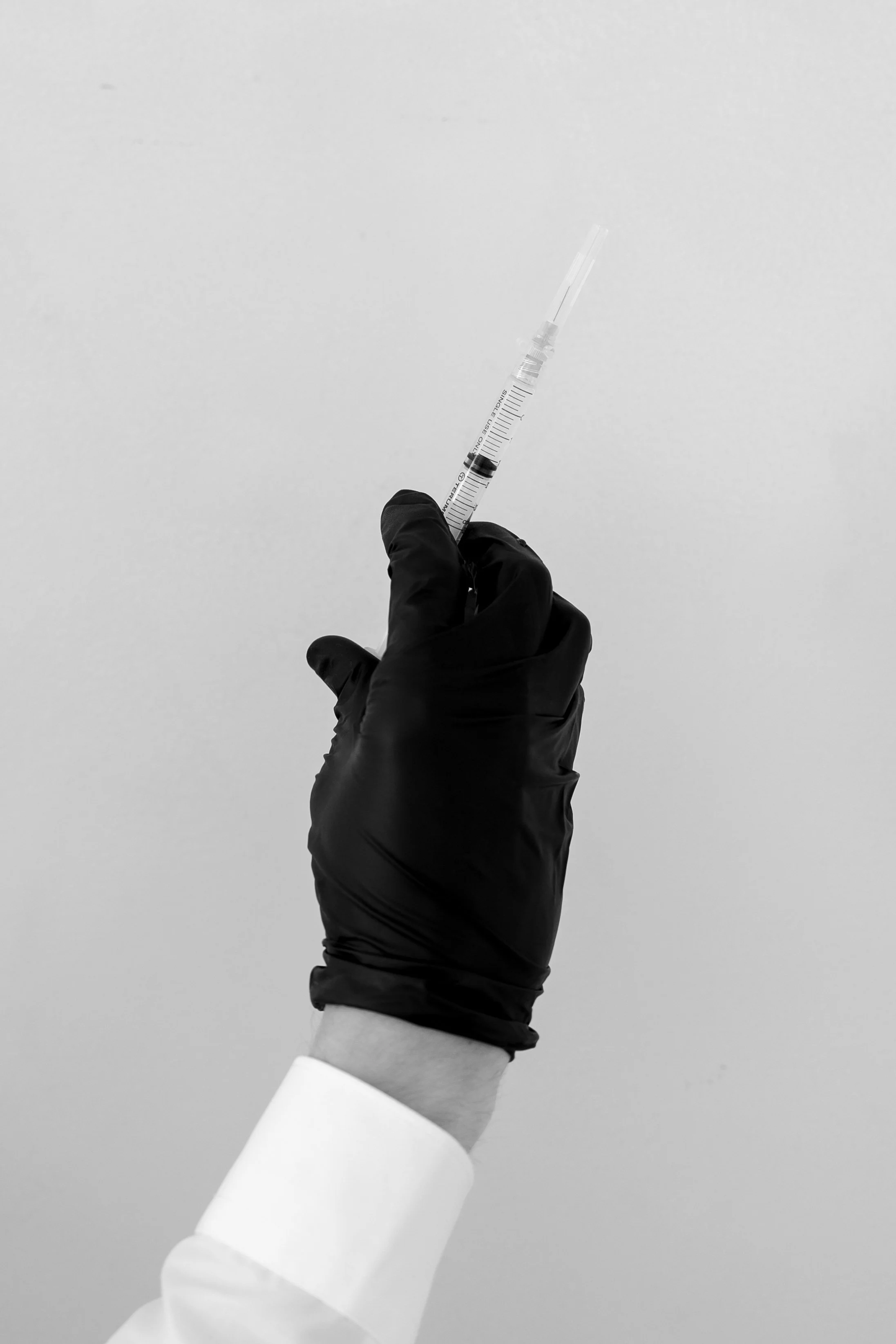
![A hand wearing a black glove holding a syringe with a needle pointing upward against a plain background.]()
Prolotherapy
Dextrose-based injections that stimulate ligament/tendon repair.
-
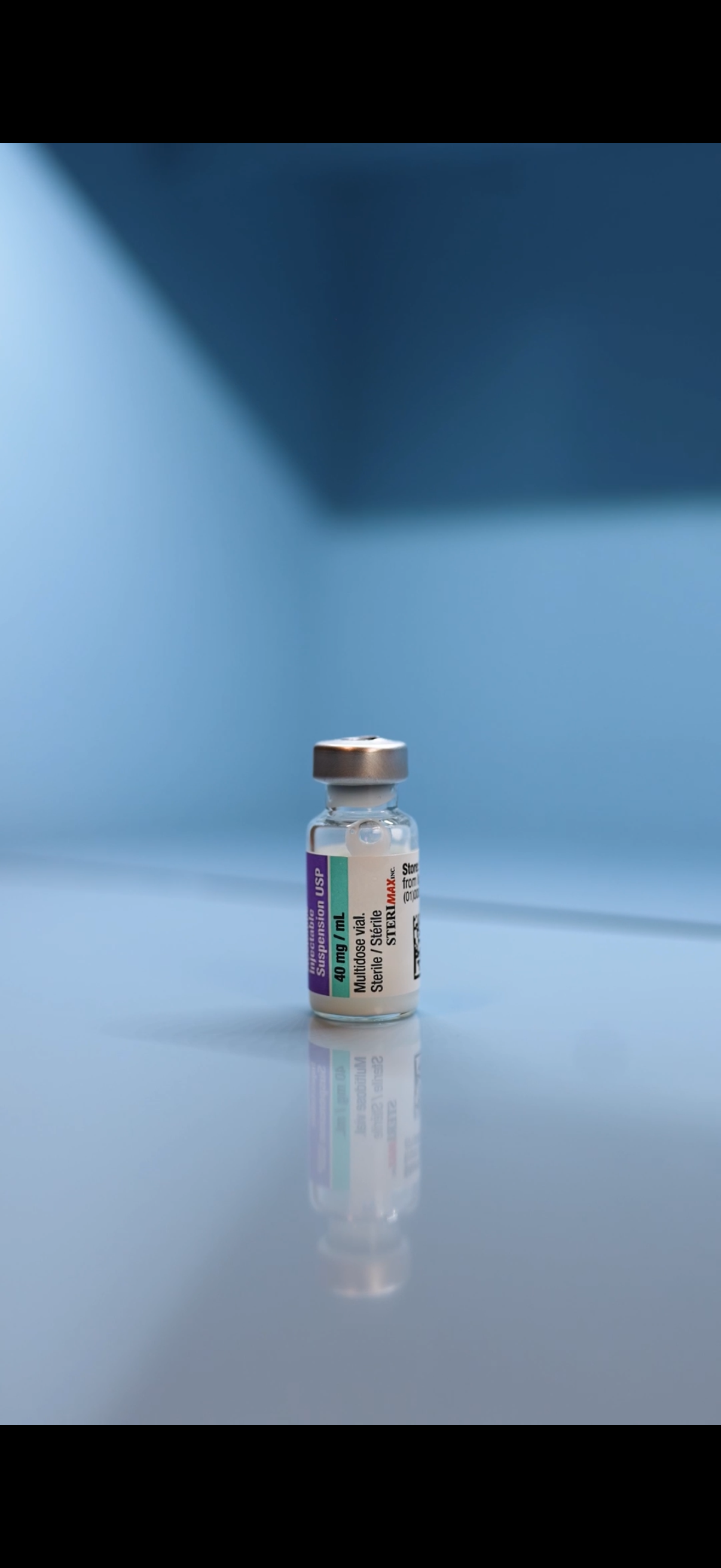
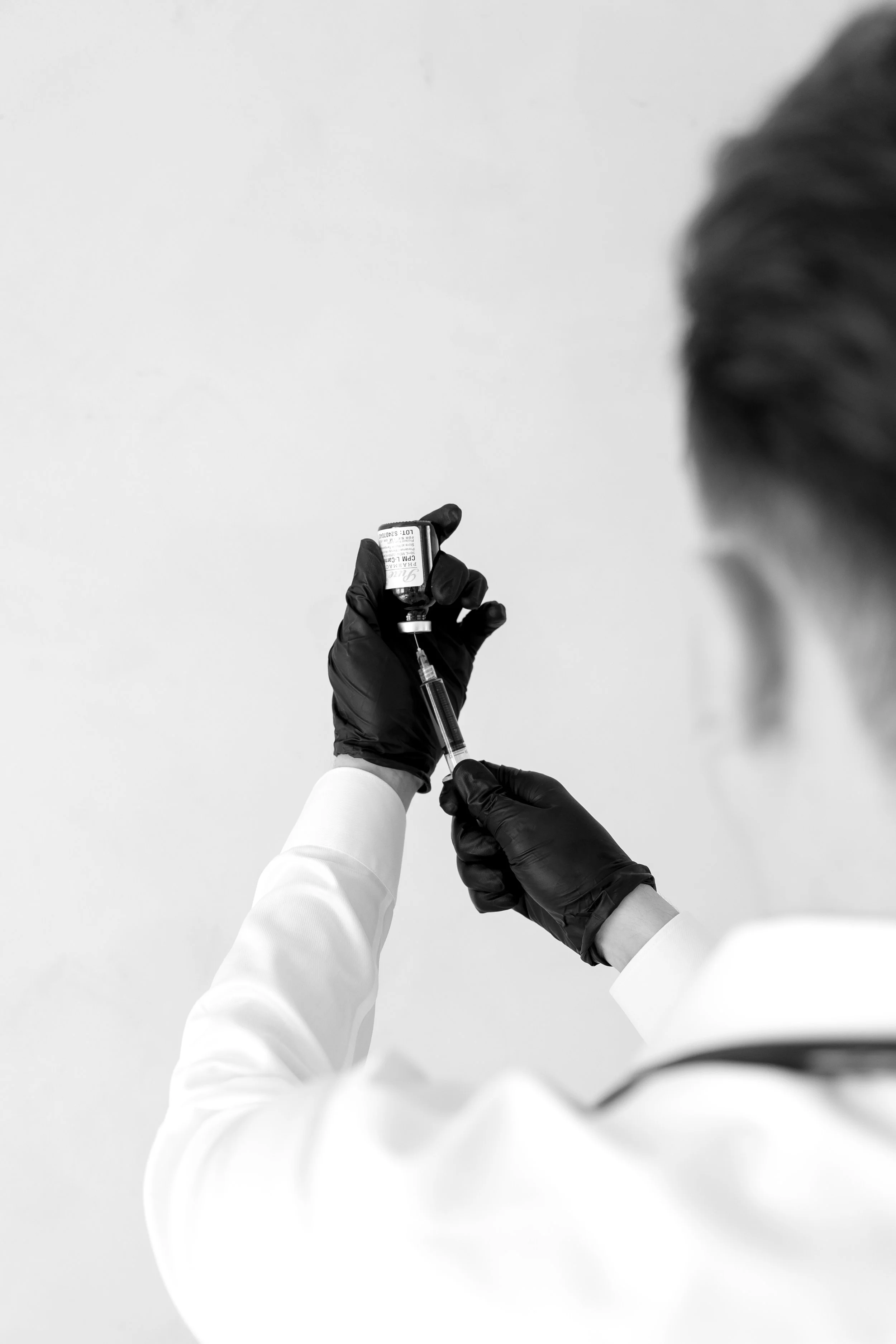
![A healthcare professional wearing black gloves and a white coat prepares a syringe with a dose of medication from a small medicine vial.]()
Steroid Injection
Short-term relief for inflammation or acute flares.
-
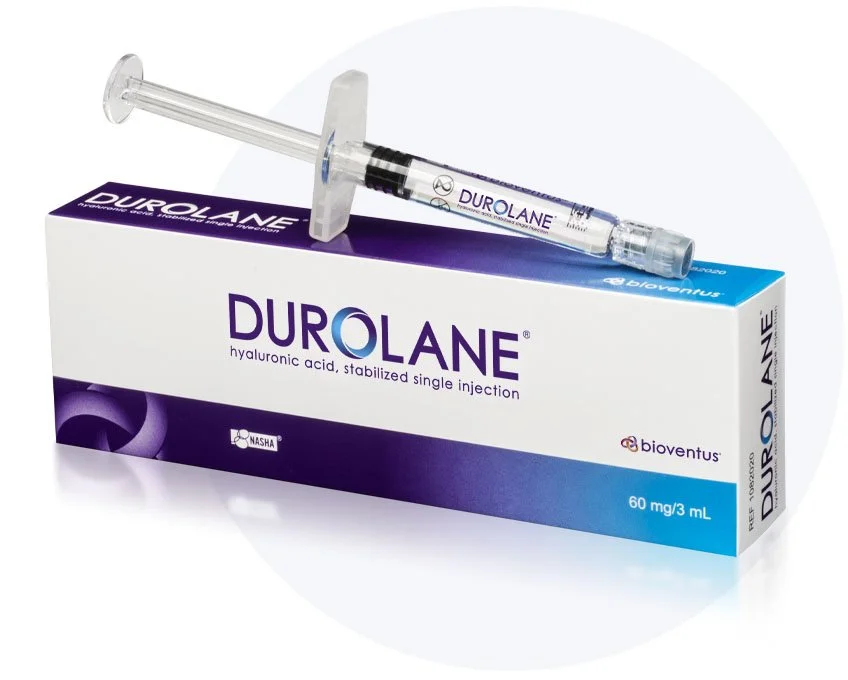
![A box of Duolane hyaluronic acid injection with a syringe placed on top.]()
Hyaluronic Acid Gel
Lubricates arthritic joints to reduce friction and stiffness.
-
![Perineural Injections]()
Perineural Injections
Low-dose dextrose along superficial nerves for neuropathic pain.
-
![Trigger Point Injections]()
Trigger Point Injections
Releases tight, painful muscle bands that limit motion.